CRM Systems in Kenya for Growing Businesses

SuiteCRM, Zoho CRM, HubSpot and Microsoft Dynamics 365 implementation, integration and support.

Your pipeline should not live in one salesperson’s phone.

Digital 4 Africa helps businesses in Kenya choose, set up, customise, integrate and support CRM systems that hold every lead, quote, follow up, deal and customer conversation in one place.

We lead with SuiteCRM because open source removes the per-user licence that makes most CRM projects expensive in year two. We also implement Zoho CRM, HubSpot, Bitrix24, Odoo CRM, Microsoft Dynamics 365 and Salesforce when those fit your budget, your team and the systems you already own.


Digital 4 Africa ERP Systems Solutions in Kenya for Growing Businesses

Trusted by businesses across Africa. Built for the way selling works here.

What Is a CRM System?

A CRM, or Customer Relationship Management system, is software that holds everything that happens between your business and your customer in one shared database.

Leads, contacts, companies, enquiries, quotations, follow ups, deals, contracts, complaints and support tickets stop living in separate inboxes, notebooks and WhatsApp threads. They become records that anyone with permission can see.

Customer relationship management software answers four questions that most growing businesses cannot answer quickly. Who asked us for something. What did we promise them. Who is handling it. What is it worth.

When those answers sit in one system rather than in individual heads, your pipeline survives staff turnover, your follow ups stop depending on memory, and management can forecast instead of guess.

Why Businesses Need CRM Software

Every Lead Answered, None of Them Tracked

An enquiry arrives on WhatsApp at nine in the evening. Somebody replies. Nobody records it.

A quotation goes out from a personal laptop and nobody follows it up. A salesperson resigns and the pipeline leaves with the phone. A client calls and three people give three answers. Management asks what the month looks like and receives an opinion instead of a number.

None of this is a discipline problem. It is a system problem. A CRM makes the record a by-product of the work, rather than an extra task nobody has time for.

When Is It Time to Implement a CRM?

A CRM becomes worth the money when:

Leads arrive faster than anyone can log them
Your pipeline lives in spreadsheets, phones and personal inboxes
Quotations look different depending on who sent them
You cannot say what your sales team will close this month
A resignation puts customer relationships at risk
Follow ups happen when somebody remembers, not when they are due
Marketing spends money and nobody can trace the leads it produced
Your sales system and your accounting or ERP system do not talk to each other
You already bought a CRM and nobody uses it
When Is It Time to Implement an ERP?

What Does a CRM Actually Cost?

The subscription is not the cost. The subscription is the beginning of the cost.

Cost is the reason most CRM decisions stall, so we will deal with it first and plainly.

Cloud CRM software is sold per user, per month, forever. At the time of writing, entry plans on the major platforms start at roughly 14 to 25 US dollars per user per month, mid tier plans where the useful automation actually lives sit around 40 to 50 dollars, and sales-focused professional plans on HubSpot are around 90 to 100 dollars per seat. Microsoft Dynamics 365 Sales starts near 65 dollars per user per month. Prices change, and you should confirm current figures with each vendor before budgeting.

Take a modest Kenyan example. Fifteen users on a mid tier cloud CRM at 40 dollars each is 600 dollars a month. At roughly KES 130 to the dollar that is about KES 78,000 every month, close to KES 936,000 a year, and it renews whether the system is used well or badly. Add three more salespeople and the bill grows again.

That is why so many Kenyan companies buy a CRM and then quietly ration the logins. The support desk does not get a seat. The directors share one. The finance team is left out. The system stops being the single source of truth on the day somebody is denied access to it.

How Much Does an ERP Cost in Kenya?

The Four Cost Lines

Any honest CRM budget has four lines in it, not one. Most quotes show you the first and hide the rest.

Licence or Subscription

Per user, per month, in foreign currency, rising with headcount and exposed to the exchange rate.

Implementation

Configuration, pipeline design, integrations and data migration. A one-off cost that decides whether the rest was worth spending.

Adoption and Support

Training, changes and someone to call. This is the line companies cut, and it is the line that decides whether the CRM survives.

The Cost of Not Being Used

The fourth line never appears on a quotation. A CRM nobody updates is worse than a spreadsheet, because you are now paying for the spreadsheet. We would rather implement a cheaper system properly than an expensive one badly.

Free CRM, Open Source CRM and What the Words Actually Mean

Free and open source are not the same thing, and the difference costs money.

A free CRM plan is a commercial trial with a ceiling. HubSpot offers a genuinely useful free CRM, and Zoho CRM has a free tier for a very small team. Both are good places to start. Both are designed so that the features you will need next sit on the other side of a paywall, and the cost arrives once you are already dependent.

An open source CRM such as SuiteCRM has no licence fee at any user count. You pay for hosting, implementation and support. That is not free, but it is a cost that does not scale every time you hire someone.

The practical rule we apply: below roughly ten users, a well-chosen cloud CRM is usually cheaper once you count the implementation. Above twenty users, or when your data must stay on infrastructure you control, self-hosted open source normally wins inside the first year.

ERP Systems Solutions with Suite CRM, Digital 4 Africa

Our CRM Services

From CRM selection to implementation, integration, adoption and long-term support

1. CRM Consulting & Selection

We look at how your team sells, what you already own and what you can afford to run for five years.

Sales Process Discovery

We map how enquiries actually arrive, who touches them and where deals stall, before choosing any software.

CRM Platform Selection

Compare SuiteCRM, Zoho CRM, HubSpot, Bitrix24, Odoo CRM, Dynamics 365 and Salesforce against your requirements.

Five-Year Cost Modelling

We show subscriptions, hosting, implementation and support side by side, so you are not surprised in year two.

2. CRM Setup & Implementation

A CRM only works when it matches the way your team already sells.

Installation & Hosting

SuiteCRM installed on your server or ours with backups and SSL, or your cloud CRM configured properly from day one.

Pipeline & Quote Design

Stages, fields, products, price lists and quotation templates built around your sales process, not a generic default.

Roles & Permissions

Who sees which accounts, who can discount, who can export. Set once, enforced always.

3. Capture Every Lead

In Kenya, leads arrive on WhatsApp. Your CRM should know that.

WhatsApp & Web Forms

Enquiries from WhatsApp Business, your website and social ads land in the CRM assigned, timestamped and owned.

Email & Calendar Sync

Two-way sync with Google Workspace or Microsoft 365, so the record writes itself while your team works normally.

Workflow Automation

Follow up reminders, lead routing, escalations and quote approvals that fire without anyone remembering.

4. CRM Integration

A CRM that does not talk to the rest of your business is a nicer address book.

CRM to ERP Sync

A won deal becomes a sales order, an invoice and a stock movement in ERPNext or your ERP, without retyping.

API & Accounts Integration

Connect QuickBooks, Sage, Xero, your website, e-commerce, bulk SMS and payment platforms through APIs.

Automation with n8n

Where no native connector exists, we build the flow in n8n and keep the two systems in step.

5. Data Migration & Training

Most CRM projects fail on adoption, not on software. We plan for that from the start.

CRM Data Migration

Contacts, companies, open deals and history moved from spreadsheets, Outlook, phones or the CRM you are leaving.

Data Cleaning

We de-duplicate the four spellings of the same customer before they follow you into the new system.

Sales Team Training

Hands-on sessions run by a team that also trains sales for a living, not a slide deck handover.

6. AI, Support & Improvement

Go-live is the start of the relationship, not the end of the project.

AI Inside Your CRM

Lead scoring, call summaries and draft follow ups generated from your own customer history.

Sales Reporting

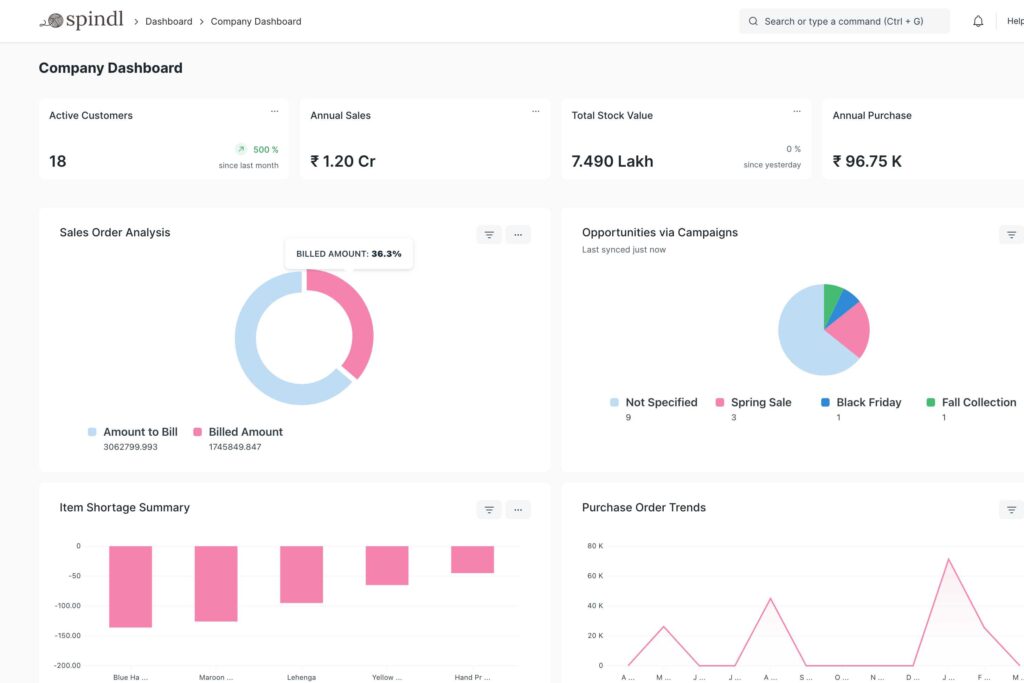
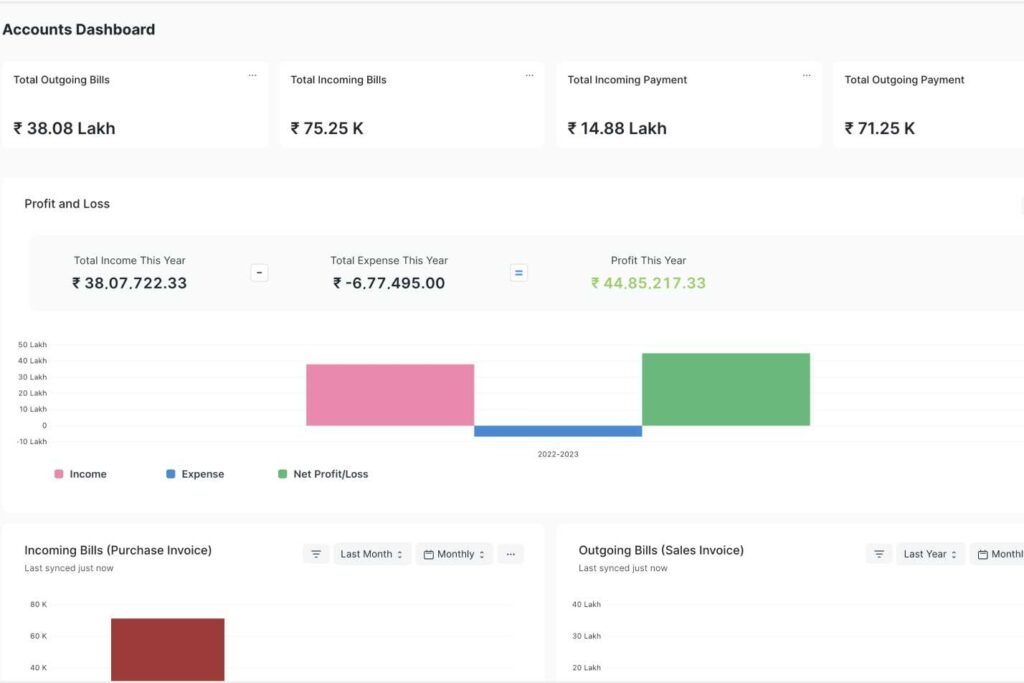
Pipeline value, conversion rates, source performance and rep activity in dashboards your MD will actually open.

Support & Maintenance

Upgrades, security patching, new fields and new workflows as the way you sell keeps changing.

What Can a CRM Manage?

One system for everything that touches the customer

Choose a CRM That Fits What You Already Own

The best CRM is often the one that sits closest to the systems your team already opens every morning

You are not starting from nothing. You already have email, accounting, maybe an ERP, a website, a WhatsApp number and a way of working around all of them.

A CRM that ignores that stack creates double entry, and double entry is how systems die. So before we recommend anything, we ask what you already own and what your team already knows. Very often the right answer is the platform that requires the least new behaviour.

You run on Microsoft 365

If Outlook, Teams, SharePoint and Power BI are the standard in your organisation, Microsoft Dynamics 365 Sales will feel native in a way nothing else will. We implement it, and we will tell you honestly when the licence cost outweighs the convenience.

You run on Google Workspace

Zoho CRM and HubSpot both sync cleanly with Gmail and Google Calendar, so reps keep working in the inbox while the CRM records the activity. SuiteCRM also syncs, and costs nothing per user.

You already run ERPNext or Odoo

Both platforms include CRM capability on the same database as your stock and accounts. Sometimes the cheapest CRM in Kenya is the one you have already paid to implement. We will configure it rather than sell you another system.

Your finance team lives in QuickBooks or Sage

You do not have to replace the accounting system to get a CRM. We integrate the two so a won deal creates the invoice, and your accountant keeps the tool they know.

Your business sells on WhatsApp

Most Kenyan enquiries start as a message, not a form. We connect WhatsApp Business to the CRM so conversations become leads with an owner, a stage and a follow up date.

You bought a CRM and nobody uses it

This is the most common call we get. Before you write off the subscription, let us audit the setup. A CRM rescue is usually cheaper and faster than a migration, and the data is already there.

CRM Platforms We Work With

SuiteCRM is our lead platform. We also implement, integrate and support the cloud CRMs you already know.

ERP Systems Solutions with Suite CRM, Digital 4 Africa
SuiteCRM

Our lead CRM. Open source, self-hosted, unlimited users, and your customer data stays on your server.

ERP Systems Solutions with HubSpot, Digital 4 Africa
HubSpot

The easiest to adopt and the strongest for marketing. The free CRM is genuinely useful. Watch the cost as seats and contacts grow.

ERP Systems Solutions with Zoho CRM, Digital 4 Africa
Zoho CRM

Affordable, capable and a natural fit if your business already runs on Zoho Books, Zoho Desk or the wider Zoho suite.

ERP Systems Solutions with Britix24, Digital 4 Africa
Bitrix24

CRM plus tasks, chat and an intranet in one, priced per account rather than per user. Good value when you want collaboration bundled in.

ERP Systems Solutions with Dynamics 365, Digital 4 Africa
Microsoft Dynamics 365 Sales

The corporate choice where Microsoft 365, Teams and Power BI are already the standard across the organisation.

ERP Systems Solutions with Odoo, Digital 4 Africa
Odoo CRM

Modular and popular with Kenyan SMEs. Strong when you want CRM first and plan to add accounting and inventory later.

ERP Systems Solutions with ERPNext
ERPNext CRM

If you already run ERPNext, leads, quotations and orders can live on the same database as your stock and accounts. No second system.

ERP Systems Solutions with Zoho Digital 4 Africa
Salesforce

The enterprise standard with the deepest ecosystem. We support and integrate it where it is already the corporate decision.

We do not recommend a CRM because it is fashionable, and we do not sell licences. We recommend the platform that fits your sales process, your budget, your existing systems and the number of people who need to log in.

For many growing Kenyan businesses, SuiteCRM offers an unusually strong combination of capability, control and ownership economics. For others, HubSpot, Zoho CRM, Bitrix24, Odoo, Dynamics 365 or Salesforce is the better answer, and we will say so.

Why We Lead With SuiteCRM

Not ideology. Arithmetic.

Unlimited Users, No Renewal Creep

Cloud CRMs are excellent until the invoice arrives. Pricing is per seat, so the moment you want the whole sales team, the support desk, the stores and two directors looking at the same pipeline, the monthly cost stops being a rounding error.

SuiteCRM is open source and self-hosted. There is no licence fee and no per-user charge, which means everyone who needs the system gets the system. You pay for implementation, hosting and support, and those costs do not multiply with headcount.

It also means your customer database sits on infrastructure you control. That matters for organisations with data residency obligations under the Kenya Data Protection Act, and for anyone who has thought about where their customer list actually lives.

SuiteCRM is not as polished as HubSpot out of the box. We fix that with proper configuration, sensible layouts and training, and you keep the difference.

ERP Systems Solutions with Suite CRM, Digital 4 Africa

When SuiteCRM Is Not the Right Choice

To be fair to the alternatives, open source is not automatically the right answer.

If you are a five-person team that wants to be live next week with very little configuration, HubSpot or Zoho CRM will get you there faster and cheaper than any self-hosted project. If your marketing team lives inside campaign automation, HubSpot earns its price. If your organisation is standardised on Microsoft 365 and Power BI, Dynamics 365 will feel native in a way SuiteCRM will not. If you already run ERPNext or Odoo, adding a separate CRM may be the wrong move entirely.

We will tell you when that is the case, and we will implement it for you anyway. What we will not do is sell you a licence you do not need.

ERP Systems Solutions with Microsoft, Zoho, Hubspot, Digital 4 Africa
ERP for Kenyan Businesses - Digital 4 Africa

CRM for Kenyan Businesses

WhatsApp, M-Pesa and the way business is actually done here

A CRM configured for a European sales floor will not survive contact with a Nairobi one.

Here, the first message arrives on WhatsApp. The quotation is sent as a PDF over the same thread. Payment comes through a Paybill or Till. Half the sales team is out of the office and working from a phone. The customer expects a reply on a Sunday.

We configure CRM systems around that reality, and we connect them to the tools that carry it.

WhatsApp Business

Enquiries, quotes and updates handled where your customers already reply fastest, with the conversation logged against the record.

M-Pesa & Daraja API

Paybill and Till payments matched to the deal and the invoice, so sales know when a client has actually paid.

ERP & eTIMS Handover

A won deal passes to the ERP as a sales order, and the compliant KRA eTIMS invoice is raised there. One entry, not three.

Kenya Data Protection Act

Access controls, consent capture and retention rules designed in, so your customer database is defensible.

CRM for Different Industries

The CRM should reflect how you sell, not the other way around.

CRM Trends for 2026

CRM is moving from record keeping towards assisted selling

AI-Assisted Selling

Lead scoring, call summaries, draft replies and next-step suggestions generated from your own history rather than a generic model.

Conversational CRM

Messaging channels, led by WhatsApp in this market, are becoming the main pipeline rather than a side door.

CRM and ERP Converging

Buyers increasingly want one connected system from enquiry to invoice, rather than two products and a spreadsheet between them.

Data Ownership

Rising subscription costs and data protection obligations are pushing more organisations to ask where their customer data actually sits.

The point is not to add AI because it is fashionable. The value shows up where a repetitive, information-heavy task is eating selling time, and a well-configured CRM can hand that task back.

Case Study: Brand Haven Limited

From scattered enquiries to a pipeline the whole team can see.

Brand Haven Limited is a Nairobi branding and printing company serving clients across East Africa.

Their customer work began the way it does in most Kenyan businesses. An enquiry arrived on WhatsApp or by phone, someone prepared a quotation in their own format, and the follow up depended on whoever had taken the call. Jobs were not lost dramatically. They were lost quietly, at the point where nobody was sure whose turn it was to respond.

We started with the process rather than the software. Working with the team, we documented how work actually moves through the business across seven stages, from first client enquiry through artwork, quotation and approval to final delivery. That map became the structure for the system.

The result is an operation where an enquiry has one record, one status and one owner from the first message onward, where quotations follow a standard structure instead of a personal one, and where the person at the front desk can answer a client without walking to the production floor.

The work was never the problem at Brand Haven. Seeing it was.

Brand Haven Limited
Brand Haven Limited2

How Much Does a CRM Cost With Us?

Three parts, stated plainly, so you can budget before you talk to us

These are honest starting points, not a menu. A single-branch CRM rollout for a sales team of eight sits near the bottom of the range. A multi-branch deployment with WhatsApp capture, ERP integration, data migration from two legacy systems and custom reporting sits well above it. Book a consultation and we will scope it properly and give you a fixed quote.

1. Implementation Project Fee

A one-off fee covering discovery, installation, pipeline configuration, integrations, data migration and training. CRM implementations start from KES 25,000. Scope drives the number: users, branches, integrations, and how tidy your existing data is.

2. Three-Month Support Retainer

Every implementation includes a three-month retainer after go-live, from KES 35,000 per month. This is the period where the real questions surface. You get fixes, adjustments, extra training and new reports as your team settles in. After three months you can continue monthly or step down to ad hoc support.

3. Software & Hosting

Paid to the software vendor or hosting provider, not to us. Choose SuiteCRM and there is no licence fee at all, only hosting from KES 500 per month for a small deployment. Choose HubSpot, Zoho, Dynamics 365 or Salesforce and you pay their per-user subscription. We will show you the five-year total for both routes before you commit.

Let's Put Your Pipeline Somewhere Safe

Book a free consultation and we will map how you sell before we recommend anything

Most CRM projects fail for the same reason. Somebody bought software before anybody understood the sales process.

We work the other way round. The first conversation is about how enquiries reach you, who handles them, where deals stall, what systems you already pay for and how many people genuinely need to log in. Only then do we recommend a platform, and sometimes the recommendation costs less than you expected.

Book a free consultation with Digital 4 Africa. No jargon, no licence pitch, no obligation. Just an honest look at how you sell and a clear view of what it would take to run it properly.

Let Digital 4 Africa Put Your Business on the Right ERP

FAQs About CRM Systems in Kenya

Straight answers on cost, platforms, integration and implementation

A CRM in Kenya costs across three lines: a one-off implementation fee, ongoing support, and software or hosting. With Digital 4 Africa, CRM implementation starts from KES 25,000, followed by a three-month support retainer from KES 35,000 per month. If you choose SuiteCRM there is no licence fee at all, only hosting from around KES 500 per month for a small deployment. Cloud platforms such as HubSpot, Zoho CRM, Dynamics 365 or Salesforce add a per-user subscription on top, typically from about 14 to 100 US dollars per user per month depending on the platform and tier. That subscription line is where most budgets quietly break in year two, so we quote all three lines up front and show you the five-year total.

For a small Kenyan team of under ten users who want to be live quickly, Zoho CRM or HubSpot is usually the best starting point because setup is fast and the entry cost is low. For teams above roughly twenty users, or organisations that want their customer data on their own infrastructure, SuiteCRM normally wins because there is no per-user licence. If you already run ERPNext or Odoo, the best CRM may be the one you have already paid for. The honest answer is that the best CRM is the one that matches your sales process and the systems you already own, which is why we map both before recommending anything.

Yes, with conditions. HubSpot offers a free CRM that is genuinely usable for basic contact and deal management, and Zoho CRM has a free tier for a very small team. Both restrict automation, reporting and customisation, and the features most sales teams need sit on paid tiers. Open source CRM is different. SuiteCRM has no licence fee at any number of users, but you still pay for hosting, implementation and support. Free software is not the same as a free system. The realistic question is not what the licence costs, but what the whole thing costs over five years.

An open source CRM such as SuiteCRM is software you can install on your own server, with the source code available and no per-user licence fee. A cloud CRM such as HubSpot, Zoho CRM, Dynamics 365 or Salesforce is hosted by the vendor and rented per user, per month. Cloud is faster to start and requires no infrastructure. Open source costs more effort up front and rewards you with unlimited users, full control of the data and no renewal increases. We implement both, and the choice usually comes down to team size, in-house capability and how sensitive your customer data is.

It depends on what you are optimising for. SuiteCRM is open source and self-hosted, so you get unlimited users with no per-seat subscription, and your customer data stays on infrastructure you control. That suits larger sales teams and organisations with data residency obligations. HubSpot is easier to adopt, better looking and considerably stronger for marketing automation, but you pay per seat and per contact, and the cost climbs as you grow. If your team is small and marketing-led, HubSpot is often worth it. If you have twenty or more users, SuiteCRM usually wins on total cost within the first year.

If your organisation is standardised on Outlook, Teams, SharePoint and Power BI, Microsoft Dynamics 365 Sales is the most natural fit because it lives inside the same ecosystem and inherits your identity and permissions model. The trade-off is cost, since Dynamics 365 Sales starts near 65 US dollars per user per month, and richer workflows often mean adding Power Platform licences. If only part of the team needs a CRM, a cheaper platform integrated with Microsoft 365 through email and calendar sync will do the same job for far less. We will model both before you commit.

Yes, and in Kenya this is often the integration that justifies the project. Using WhatsApp Business and the appropriate API route, incoming messages can create or update a lead in the CRM, assign an owner, timestamp the conversation and trigger a follow up task. Your team keeps replying on WhatsApp. The record is created for them. That single change turns an untraceable channel into a measurable pipeline, and it means an enquiry no longer disappears when a phone is lost or a salesperson leaves.

Yes. Using the Safaricom Daraja API we can connect your Paybill or Till so payments are matched against the customer and the deal. We integrate CRM systems with QuickBooks, Sage, Xero and ERP platforms including ERPNext and Odoo, so a deal marked won becomes a sales order or invoice without anyone retyping it. Where no native connector exists, we build the workflow with APIs and n8n. If your ERP handles KRA eTIMS, the compliant invoice is still raised there, and the CRM simply hands the deal over.

Yes, and this is one of the most common requests we receive. Low adoption is usually caused by a pipeline that does not match how the team sells, too many mandatory fields, no integration with email or WhatsApp, and no training after go-live. We audit the existing setup, simplify it, connect it to the channels your leads actually arrive on, and retrain the team. A CRM rescue is normally faster and cheaper than a migration, and your data is already in there. If the platform genuinely cannot do the job, we will say so and plan the move.

A focused CRM rollout for a single sales team is usually live in two to four weeks. Add WhatsApp capture, ERP or accounting integration, migration from more than one legacy source and custom reporting, and it typically runs six to ten weeks. The variable is rarely the software. It is how clearly your sales process is defined and how clean your existing contact data is. We go live in stages rather than switching everything on one Monday morning, so the team absorbs the change and you see value before the project ends.

Yes. We migrate contacts, companies, open opportunities, quotations and interaction history from Excel, Outlook, Google Contacts, or whichever CRM you are leaving. Before anything is imported we de-duplicate records, standardise names and phone number formats, and flag incomplete entries. Poor legacy data becomes poor CRM data if you skip that step, and nothing kills adoption faster than a system full of contacts your team does not trust.

You do. With SuiteCRM the software is open source and the system runs on infrastructure you control or that we host on your behalf, so your data, your configuration and any custom modules we build are yours. If you ever decide to work with a different partner, everything transfers. We also build in line with the Kenya Data Protection Act, including access controls, consent capture and retention rules, so compliance is designed in rather than bolted on later. With cloud CRMs, your data remains yours under the vendor’s terms, but it sits on their infrastructure, and you should read the export and retention conditions before you commit.

A CRM manages what happens between you and your customer: leads, quotes, follow ups, deals and support. An ERP manages what happens inside your business: accounting, stock, purchasing, production, HR and payroll. The CRM knows who wants the item and what you promised. The ERP knows whether you have it and what it cost. Most growing businesses eventually need both, connected, so a deal marked won in the CRM creates a real sales order in the ERP without anyone retyping it. You can read more on our <a href=”https://digital4africa.com/erps/”>ERP systems page</a>, or see how the two work together on our <a href=”https://digital4africa.com/erp-crm-systems/”>ERP and CRM systems page</a>.

Yes. We are based in Kenya and most of our work is Kenyan, but we implement and support CRM systems for clients across East Africa and the wider continent, including multi-branch, multi-currency and multi-language setups. Where a country has its own data protection or payment requirements, we configure for those in the same way we configure for Kenya. Implementation and training can be run remotely, on site, or as a mix of both.

Share This Page